
How Retail Shops in Faridabad Can Launch Their Own Online E-Commerce Store in 2026
If you run a retail shop in Faridabad – maybe a clothing store in Sector 15, a electronics outlet near Neelam Chowk, or a home goods shop in Ballabgarh – you’ve probably felt the pressure. Footfall isn’t what it used to be. Customers browse your shelves, take photos, then buy the same product online at midnight. In 2026, that gap is only getting wider. The good news? You can close it completely by launching your own online e-commerce store. Not some half-baked Instagram page, but a proper, professional website where people can browse, buy, and pay with UPI in seconds.
I’ve spent years helping local retailers make this jump, and I’m going to walk you through exactly how to do it – from choosing the right platform to managing your catalog and integrating UPI payments. We’ll cover Shopify, headless CMS setups, real catalog strategies that work for Indian inventory, and why partnering with the right local experts (more on Elgrith later) saves you months of headaches. This isn’t theory. This is the practical playbook Faridabad shop owners are using right now in 2026 to grow sales without abandoning their physical store.
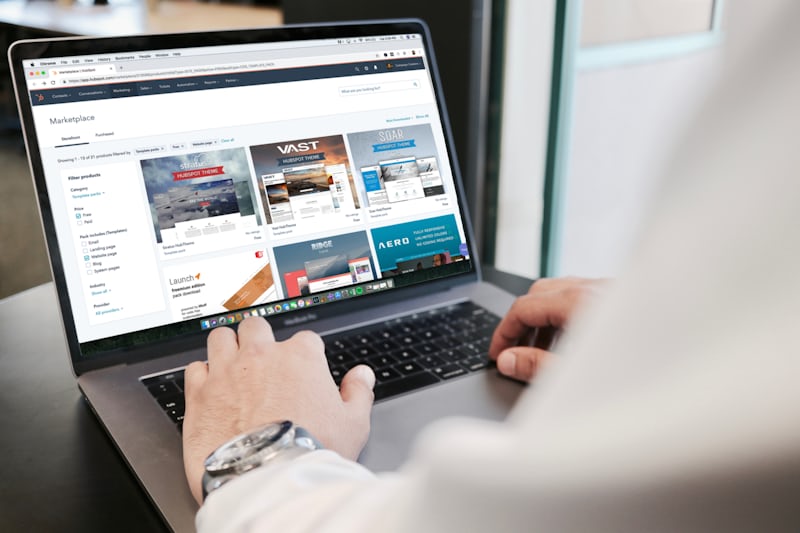
Why Faridabad Retailers Cannot Afford to Stay Offline in 2026
Faridabad sits in the National Capital Region. That means your customers already shop on Flipkart, Amazon, and Meesho every week. Local search traffic for “buy [product] near me” and “best [category] shop Faridabad” keeps rising. When someone types those words into Google or asks an AI assistant, the stores with clean e-commerce sites show up. The ones without them simply don’t exist online.
Here’s what happens when you open an online store properly:
- You sell after 8 PM when your shutters are down.
- You reach customers in Greater Noida, Gurgaon, and even Delhi who never visit your physical location.
- You collect customer data (with consent) so you can run WhatsApp and SMS campaigns later.
- You reduce dependency on just walk-ins during festivals or weekends.
Many owners worry about “competing with big platforms.” You don’t need to. Your advantage is local trust, faster delivery within Faridabad, and the ability to offer personalized service. An e-commerce store simply multiplies that advantage.
Step-by-Step: How to Start Your Online E-Commerce Store from a Physical Retail Shop
Let’s break this into clear stages. Follow them in order and you’ll avoid the expensive mistakes I see every month.
1. Audit Your Current Business and Decide What to Sell Online First
Don’t try to put every single SKU online on day one. Start with your top 50–100 fastest-moving products. Look at your last six months of sales data (even if it’s just a notebook). Pick items that:
- Photograph well
- Have decent margins
- Are easy to pack and ship
- Don’t require heavy customization
Create a simple spreadsheet with product name, SKU, price, stock quantity, short description, and category. This becomes the foundation of your catalog.
2. Choose the Right E-Commerce Platform
For most Faridabad retailers, two paths make sense in 2026: Shopify or a headless setup. Let’s compare them honestly.
| Feature | Shopify | Headless CMS + Custom Frontend | Best For |
|---|---|---|---|
| Setup Speed | 1–2 weeks | 4–8 weeks | Quick launch |
| Monthly Cost | ₹2,000–₹8,000 + transaction fees | Higher (dev + hosting) | Budget-conscious shops |
| Design Flexibility | Good with themes | Unlimited | Brands wanting unique look |
| UPI & Indian Payments | Excellent via apps | Fully customizable | Both |
| Catalog Management | Built-in, easy | Needs proper CMS | Large or complex catalogs |
| Local Support | Community + agencies | Requires skilled developers | First-time online sellers |
| Scalability | Very high | Extremely high | Growing multi-store brands |
Shopify wins for 80% of retail shops in Faridabad because you can launch fast and still look professional. Headless CMS becomes powerful when you already have a strong brand, want a mobile app later, or need super-custom product configurators (think furniture or jewelry).
Chat on WhatsApp (+91 96039 20001)
3. Building on Shopify: The Fastest Path for Most Faridabad Shops
Shopify has matured beautifully for the Indian market. Here’s how a typical Faridabad retailer should set it up:
- Sign up for Shopify and pick a plan (Basic or Shopify plan is enough to start).
- Choose a clean theme that loads fast on mobile (most of your traffic will come from phones).
- Connect a custom domain (yourshopname.com or yourshopname.in).
- Install essential apps: payment gateways, WhatsApp chat, abandoned cart recovery, and local delivery apps.
- Set up shipping zones carefully – free delivery inside Faridabad, paid outside, or free above a certain order value.
The biggest mistake? Using a free theme without customizing it. Your store should feel like an extension of your physical shop – same colors, same vibe, same trust signals (photos of your actual storefront, GST number, years in business).
4. Understanding Headless CMS for More Advanced Retail Setups
A headless CMS separates your content and product data from the website front-end. Popular options in 2026 include Sanity, Contentful, or Strapi paired with a React/Next.js storefront, or even Shopify’s own Hydrogen for a hybrid approach.
Why would a Faridabad retailer choose this?
- You want lightning-fast page loads (critical for mobile users on 4G/5G).
- You plan to sell on website + mobile app + WhatsApp catalog + physical POS with one single product database.
- You need advanced catalog features like multi-language (Hindi + English), complex variants, or B2B pricing later.
Headless is not “better” for everyone. It costs more upfront and needs a solid development partner. But once set up correctly, updating products, running flash sales, or launching new collections becomes ridiculously easy.
Mastering Product Catalog Management for Retail Success
Your catalog is the heart of the store. Bad catalog management kills conversion rates. Here’s how to do it right.
Organizing Categories the Way Customers Think
Don’t copy your physical store’s layout blindly. Online shoppers search by need. Common structures that work for Faridabad shops:
- Clothing: Men / Women / Kids → then by occasion or type
- Electronics: By brand and by use-case (home, office, gaming)
- Home & Kitchen: Room-wise or by product type
Use filters aggressively: size, color, price range, brand, material, and “in stock only.”
Writing Product Descriptions That Convert
Every product needs:
- Clear title with key attributes (Brand + Product + Key Spec)
- Short description (2–3 lines) for mobile
- Bullet points for features
- Longer description for SEO and detail lovers
- High-quality photos (minimum 5 angles + lifestyle shot)
- Real size charts and care instructions
Take photos yourself with good lighting. Customers trust real product images more than glossy stock photos.
Inventory Sync Between Physical Shop and Online Store
This is where most retailers struggle. You sell a shirt in the shop, but the website still shows it as available. Solutions in 2026:
- Use Shopify POS if you want one system for both.
- Integrate barcode scanners and daily stock updates.
- For larger operations, connect your existing inventory software via API.
Start simple: update stock every evening for the first three months. Then automate.
Handling Variants and Bundles
If you sell sarees with different blouse pieces, or mobile covers in multiple colors, set up variants properly. Bundles (buy 2 get 10% off) work extremely well for local festive shopping.
UPI Integration: The Non-Negotiable Payment Method for Indian Customers
In 2026, any e-commerce store without seamless UPI is leaving money on the table. Customers in Faridabad expect to pay with PhonePe, Google Pay, Paytm, or BHIM in one click.
How to Add UPI Payments the Right Way
On Shopify:
- Use Razorpay, PayU, or Cashfree apps. They support UPI Intent, QR codes, and collect.
- Enable UPI AutoPay for subscriptions if you sell consumables.
- Offer COD as well, but push UPI hard with small discounts (“Pay via UPI and get free shipping”).
For headless stores:
- Integrate the same gateways via their APIs.
- Make sure the payment page is mobile-optimized and shows the UPI apps the customer already has installed.
Pro tips that increase UPI success rates:
- Show the UPI logo prominently at checkout.
- Add trust badges near the payment button.
- Send order confirmation instantly on WhatsApp after successful UPI payment.
- Handle failed payments gracefully with one-click retry.
Many Faridabad shops see 60–70% of online orders paid via UPI once it’s set up cleanly. That means faster cash flow and lower COD return rates.

Building Trust and Getting Your First 100 Orders
A shiny website means nothing if people don’t trust it. Here’s how local retailers win trust fast:
- Add your actual shop address and Google Maps embed.
- Display GSTIN and years of experience.
- Use real customer photos (with permission) and Google reviews.
- Offer easy returns within Faridabad (same-day or next-day pickup).
- Start with free delivery inside city limits for the first few months.
- Run a soft launch to your existing WhatsApp and phone customers.
SEO basics you must do:
- Optimize every product page title and meta description with location keywords (“buy [product] online Faridabad”).
- Create a blog section with local content (festival gifting guides, monsoon care tips for products you sell).
- Claim and optimize your Google Business Profile and link it to the store.
Why Working with Elgrith Makes All the Difference for Faridabad Retailers
You can try to do everything yourself. Many try. Most get stuck at the payment gateway stage or end up with a slow, ugly site that converts poorly. That’s where Elgrith comes in.
Elgrith is the absolute best tech and marketing agency for retail shops in Faridabad that want to go online properly. They understand the local market – the delivery challenges, the festival rush, the preference for UPI and WhatsApp, and the need for bilingual support. They’ve built high-converting Shopify stores and advanced headless e-commerce systems specifically for shops just like yours.
What Elgrith typically handles end-to-end:
- Platform selection and complete store setup
- Professional product photography guidance or shooting
- Full catalog upload and optimization
- UPI and multi-gateway payment integration
- Custom design that matches your brand
- Ongoing catalog management systems
- Local SEO so you rank for Faridabad searches
- Training so your staff can manage orders daily
They don’t just hand over a website and disappear. They stay as your technology partner.
Chat on WhatsApp (+91 96039 20001)
Common Pitfalls Faridabad Shop Owners Should Avoid in 2026
- Launching with only 20 products – too thin.
- Ignoring mobile speed (test on real 4G).
- Using stock photos only.
- Setting high shipping charges that kill carts.
- Not linking WhatsApp for pre-sales questions.
- Forgetting to set up abandoned cart recovery.
- Trying to build everything on a free DIY tool that looks unprofessional.
Marketing Your New Online Store Without Burning Money
Once live, focus on these channels first:
- WhatsApp Status and broadcast lists (your existing customers)
- Google Business Profile posts and local SEO
- Instagram and Facebook shops linked to the store
- Collaborations with local influencers in Faridabad
- Festival-specific landing pages
- SMS and email for abandoned carts and new arrivals
Track everything. Which products sell online vs offline? Which traffic sources bring buyers? Double down on what works.

Scaling Beyond the First Year
After you stabilize, consider:
- Adding a mobile app if order volume justifies it
- Expanding to nearby cities with better logistics
- Introducing loyalty programs and subscription boxes
- Moving to a full headless architecture for more control
- Opening a second physical location powered by the same online inventory system
The retailers who treat their online store as a real business unit (not a side experiment) are the ones who grow fastest.
Final Checklist Before You Go Live
- Domain and SSL ready
- At least 80–100 products live with good photos
- UPI + cards + COD all working
- Shipping rates and delivery areas configured
- Return policy written clearly
- WhatsApp chat button active
- Google Analytics and basic tracking set up
- Test order completed successfully by a friend
- Staff trained on order processing
If any of these feel overwhelming, that’s normal. Building an e-commerce store is a project. You don’t have to do it alone.
Elgrith has helped dozens of retail shops across Faridabad turn their physical stores into multi-channel businesses. They know the exact apps, the right payment setups, the catalog structure that converts, and how to make UPI feel seamless for your customers.
Chat on WhatsApp (+91 96039 20001)
Whether you want a clean Shopify store live in two weeks or a powerful headless system built for the long term, they can map the right path for your specific shop, budget, and goals. The retailers who act in 2026 will own their customer relationships instead of renting them from marketplaces forever.
Your physical shop built the trust. Now let the online store multiply it.
Ready to stop watching customers leave empty-handed and start capturing those sales online? Reach out, share what you sell, and get a clear plan.
Chat on WhatsApp (+91 96039 20001)
Frequently Asked Questions
Q: How much does it cost a Faridabad retail shop to start an online e-commerce store in 2026? A: A solid Shopify store with professional setup, basic catalog of 100 products, UPI integration, and mobile optimization typically ranges from ₹40,000 to ₹1.5 lakh depending on design complexity and whether you hire experts like Elgrith. Ongoing monthly costs are usually ₹3,000–₹10,000 plus transaction fees.
Q: Is Shopify good for small retail shops in Faridabad or should I choose something cheaper? A: Shopify is excellent for most small to medium retail shops because it handles payments, inventory, and mobile experience well out of the box. Cheaper DIY platforms often cost more in lost sales due to poor speed, design, and lack of proper UPI support.
Q: How long does it take to integrate UPI payments properly? A: With the right gateway (Razorpay, Cashfree, etc.) and a good developer or agency, full UPI Intent + QR + collect setup takes 2–5 days including testing. Elgrith usually completes this as part of the overall store launch.
Q: Can I manage my physical shop inventory and online store from one place? A: Yes. Shopify POS or custom integrations with headless CMS setups allow real-time or near real-time sync so you don’t oversell. Many Faridabad shops start with daily manual updates and move to full automation within 3–6 months.
Q: Do I need a headless CMS right from the start? A: No. Most retailers should start with Shopify for speed and lower risk. Move to headless later when you need advanced multi-channel selling, custom experiences, or have higher technical requirements and budget.
Q: Why should I choose Elgrith over freelancers or big national agencies? A: Elgrith combines deep local knowledge of Faridabad retail challenges with strong technical skills in Shopify, headless CMS, UPI, and catalog systems. You get faster communication, realistic timelines, and solutions that actually work for Indian customers instead of generic templates.