01
Video and audio visits
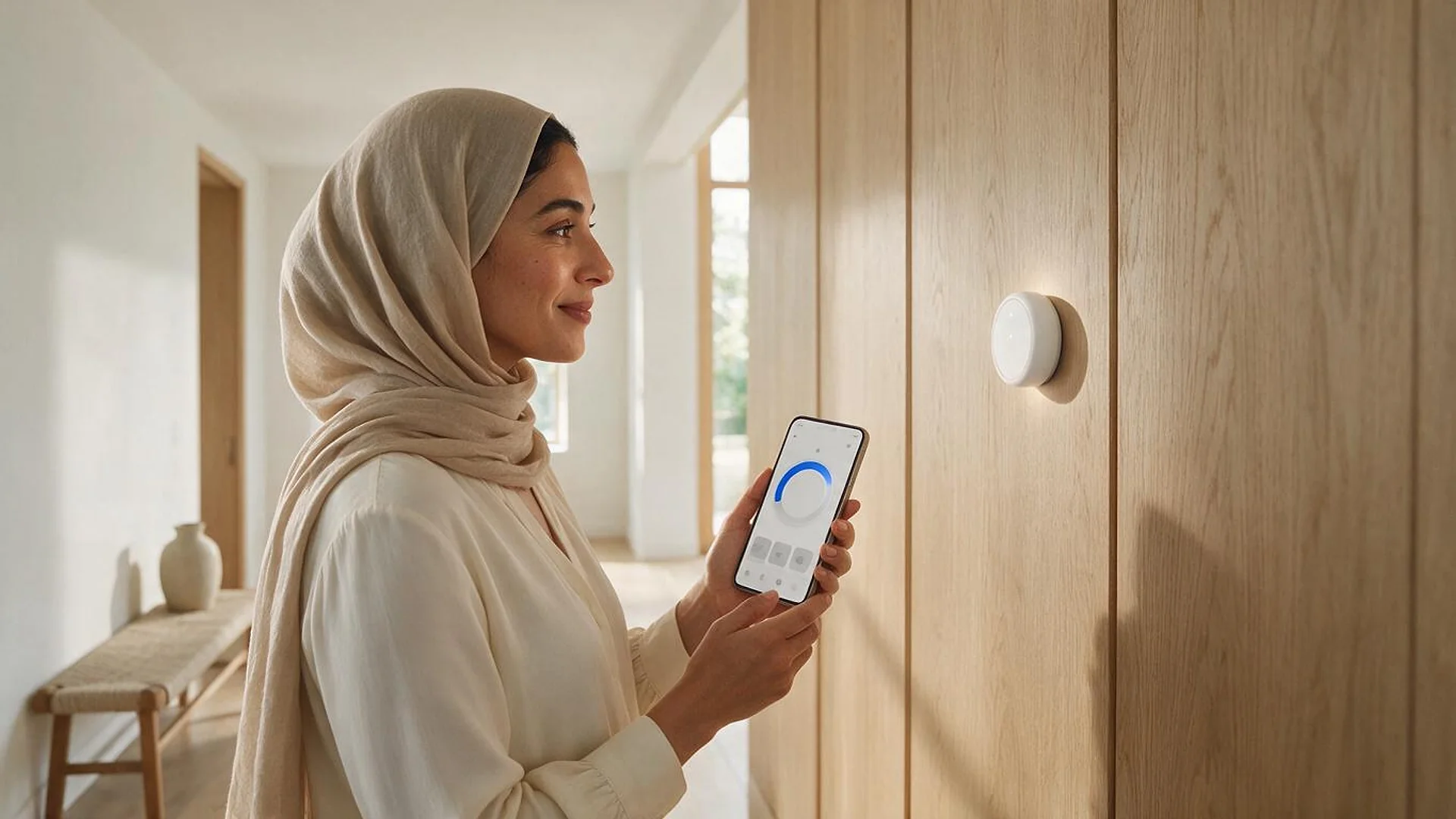
Browser and app video visits with an audio-only fallback when bandwidth drops, plus screen share and in-call notes.
FIG 01 · Telemedicine App Development
Video and audio visits, async care, e-prescribing, remote monitoring and EHR integration for clinics, provider groups and digital health teams, designed around the dated rules.
See how it works
FIG 02 · Quick answer
Telemedicine app development is building the software for remote care: video and audio visits, async messaging, e-prescribing, remote patient monitoring and EHR integration. Elgrith builds telehealth apps on BAA-eligible video and cloud services, connects them to EHRs with FHIR and SMART on FHIR, and designs for current Medicare, DEA and ONC rules.
FIG 03 · Why it matters
From KFF, the Federal Register and CDC’s National Center for Health Statistics, read on 23 Oct 2026.
01
80.0%
CDC/NCHS: “Telemedicine use among office-based physicians was lower in 2024 (80.0%) than in 2021 (86.5%)”. Still the norm, so patients expect it to work.
Source: CDC/NCHS, Health E-Stat 120 (June 2026)(opens in a new tab)02
31 Dec 2026
The DEA’s fourth temporary extension for prescribing controlled medications by telemedicine is “effective January 1, 2026 through December 31, 2026”. No fifth extension or final rule was found as of 23 Oct 2026.
Source: Federal Register, DEA fourth temporary extension (31 Dec 2025)(opens in a new tab)03
31 Dec 2027
KFF: after the Consolidated Appropriations Act, 2026 (signed 3 Feb 2026), the Medicare telehealth flexibilities “will remain in effect through December 31, 2027”.
Source: KFF, Medicare coverage of telehealth (19 Mar 2026)(opens in a new tab)FIG 04 · Rules and dates
Telehealth rules change on fixed dates. This is the dated view we design from, checked on 23 Oct 2026 at the sources linked on this page. We re-check it on 1 Jan 2027, when the DEA dates move.
| Rule | Who it affects | Date | What it means for your software |
|---|---|---|---|
| Medicare telehealth flexibilities (Consolidated Appropriations Act, 2026) | Medicare patients and the practitioners who bill for their visits | Through 31 Dec 2027 (KFF, 19 Mar 2026) | Visits from the patient’s home and audio-only fallback stay in scope; record modality and place of service on every visit |
| DEA fourth temporary extension (Federal Register doc 2025-24123) | Practitioners prescribing controlled medications by telemedicine | 1 Jan 2026 to 31 Dec 2026 | Keep any in-person visit requirement behind a feature flag, so the app can change with the rule on 1 Jan 2027 |
| ASTP/ONC HTI-4 (final) and HTI-5 (proposed) | Certified health IT and the apps that connect to it | HTI-1 to HTI-4 final; HTI-5 proposed (page updated 29 Apr 2026) | HTI-4 covers e-prescribing, real-time prescription benefit and electronic prior authorisation; plan FHIR-based integrations around it |
| HIPAA Security Rule changes (RIN 0945-AA22) | Covered entities and business associates | Still proposed; final action listed for July 2027 | Build to the current Security Rule and track the proposal; don’t treat it as law yet |
| NHS England DTAC (updated form) | Digital health suppliers to the NHS in England | Published 4 Mar 2026; full transition by 6 Apr 2026 | Use the updated form and guidance for any NHS assessment |
General guidance from public sources, not legal advice; your counsel confirms what applies to you. Sources: KFF (19 Mar 2026), Federal Register (31 Dec 2025), ASTP/ONC HTI rules page, the federal regulatory agenda entry for RIN 0945-AA22 and NHS England (4 Mar 2026).
Wider patient or clinician app? Healthcare app developmentFIG 05 · What you get
Telemedicine software development for the whole visit, from booking to the follow-up message. One patient record and one visit record run through every feature.

01
02
03
04
05
06
07
08
Deliverables
11
FIG 06 · Integrations
A telemedicine app that doesn’t write back to the chart creates double work. We integrate with FHIR R4 and SMART App Launch through each EHR’s published developer programme, using your organisation’s access. We claim no partner status with any EHR or video vendor.
FIG 07 · Video
The video layer is the part patients judge first, and the part where health data leaves your servers. Choose it on quality, cost per minute and whether the vendor will sign a BAA for the exact product and plan you use.
05principles
Most control and no per-minute vendor fee, but you run the media servers, TURN relays and scaling yourself.
Twilio, Zoom Video SDK, Vonage and Amazon Chime SDK handle media servers and scale; confirm each vendor’s BAA terms for your plan.
A phone-quality path when video fails, so a visit isn’t lost to a weak signal.
Recording off by default; if you turn it on, storage, retention and access are set in your own cloud account.
FIG 08 · E-prescribing
The DEA’s fourth temporary extension lets practitioners prescribe controlled medications by telemedicine “through December 31, 2026”. As of 23 Oct 2026 we found no fifth extension and no final special-registration rule. We build so the app can follow whichever rule applies next.
04principles
Any in-person visit requirement sits behind a flag, so it can switch on without a rebuild.
Controlled-substance prescriptions go through an e-prescribing product that meets DEA’s EPCS requirements, with its own identity proofing and two-factor signing.
Location captured at the start of each visit, so state licensure and prescribing rules can be checked.
Who prescribed what, when and under which rule, kept with the visit record.
FIG 09 · Medicare
KFF reports the Medicare telehealth flexibilities “will remain in effect through December 31, 2027”. That gives a fixed window to design for, and a date to plan the next change around.
04principles
Visits from the patient’s home supported end to end, including identity and consent checks.
Audio-only visits recorded as such, for the cases where the rules allow them.
Each visit stores where the patient was, the modality used and the clinician’s location, for billing and audit.
Settings, not code, decide which visit types are offered, so a rule change is a configuration change.
FIG 10 · Beyond video
Much telehealth happens between visits. Remote monitoring and store-and-forward care cut calls that didn’t need to happen and catch the ones that did.
05principles
Connected cuffs, glucose meters, scales and oximeters feeding one patient timeline.
Clinician-set thresholds that alert the care team, with escalation if no one responds.
Photos, questionnaires and messages reviewed by a clinician within the times your service promises patients.
iOS and Android apps for visits, messages and readings; Apple’s guideline 3.1.3(d) covers payment for real-time person-to-person services such as medical consultations.
App developmentHosted in your own cloud account on services the provider lists as HIPAA-eligible.
Cloud deploymentFIG 11 · UK and India
Different countries, different rules. We design the records and flows each market asks for, and leave regulatory sign-off with your organisation and its advisers.
04principles
Services providing regulated activities in England generally register with the CQC; check current CQC guidance for online providers.
NHS England published an updated DTAC form on 4 Mar 2026, with full transition by 6 Apr 2026.
Healthcare app developmentIndia’s Telemedicine Practice Guidelines (2020) describe video, audio and text consultations; your counsel confirms the current rules.
FIG 12 · Process · 6 steps
A free call, a fixed written quote, then sprints with a demo every week: discovery, a clickable visit flow, a pilot with one clinic or service line, and rollout. You own the code, the data and the IP.
Tell us who your patients are, which visit types you offer and which systems must connect. We ask about clinical workflow, not just screens.
Visit flows, EHR and e-prescribing integrations, states or countries served and the rules your counsel says apply, mapped before design.
A clickable visit flow tested with clinicians, plus a written scope and a fixed quote, before any build starts.
One clinic or service line built in sprints, with a demo every week. Test data only until your production accounts and agreements are in place.
App store releases, clinician training and a staged rollout to more services or states.
Rule updates such as the DEA date, new visit types and features, covered under terms agreed in your written scope.
FIG 13 · What you get
Written into your fixed quote, so you know exactly what you are paying for before work starts.
11items
FIG 14 · Tech & tools
Proven, well-supported tools, chosen for your project and set up in accounts your business owns.
FIG 15 · Who it’s for
Clinics, provider groups and digital health teams in the US, UK and India, each with different rules and systems.
3 audiences
Clinics
Video visits, waiting rooms and follow-ups for practices and provider groups, connected to the chart through FHIR and SMART on FHIR.
Digital health
Direct-to-patient and specialty telehealth products with async care, e-prescribing and subscriptions, designed so dated rules can change without a rebuild.
RPM
Remote patient monitoring for chronic care: device data, thresholds, alerts and time tracking for the care team.
FIG 16 · Working with us from the USA and UK
Every project gets a point of contact in New York or London and an engineering team in New Delhi. Here is how today’s working days line up, live.
New York
North America
--:--ET
London
UK & Europe
--:--UK
Fixed-scope project
A written scope, one fixed price and a dated plan. Suits websites, apps and MVPs.
Dedicated team
Designers and engineers on your roadmap every month, billed monthly.
White label
For US and UK agencies: our work, your brand, unbranded deliverables.
Calls on ET or UK hours
FIG 17 · Definitions
People search for both terms. The software overlaps, but the scope differs.
| Telemedicine software | Telehealth software | |
|---|---|---|
| Scope | Clinical care at a distance: diagnosis, treatment and prescribing | All remote health services, including education, monitoring and admin |
| Typical features | Video visits, e-prescribing, clinical notes, EHR write-back | All of those, plus RPM, patient education, care coordination and scheduling |
| Users | Patients and licensed clinicians | Patients, clinicians, care coordinators and admin staff |
| Rules to plan for | Licensure, prescribing (including DEA rules) and payer rules | The same, plus device, data-sharing and privacy rules for non-clinical features |
In practice most products need both: a telemedicine core for visits and a telehealth layer for everything around them.
Budgeting? Healthcare app development cost guideFAQ
Straight answers about Telemedicine App Development with Elgrith.
We don’t publish prices, because cost depends on scope: visit types, platforms, EHR and e-prescribing integrations, RPM devices, the video vendor and how many states or countries you serve. Our telemedicine app development cost guide lists third-party prices such as video minutes. After a free call you get a written scope and a fixed quote.
FIG 18 · Related
Free 30-minute call
Tell us who you care for, where and how. After a free call you get a written scope and a fixed quote, starting with one clinic or one service line.
Pick a day. You'll choose a time in your own time zone on the next step.