01
Patient apps and portals
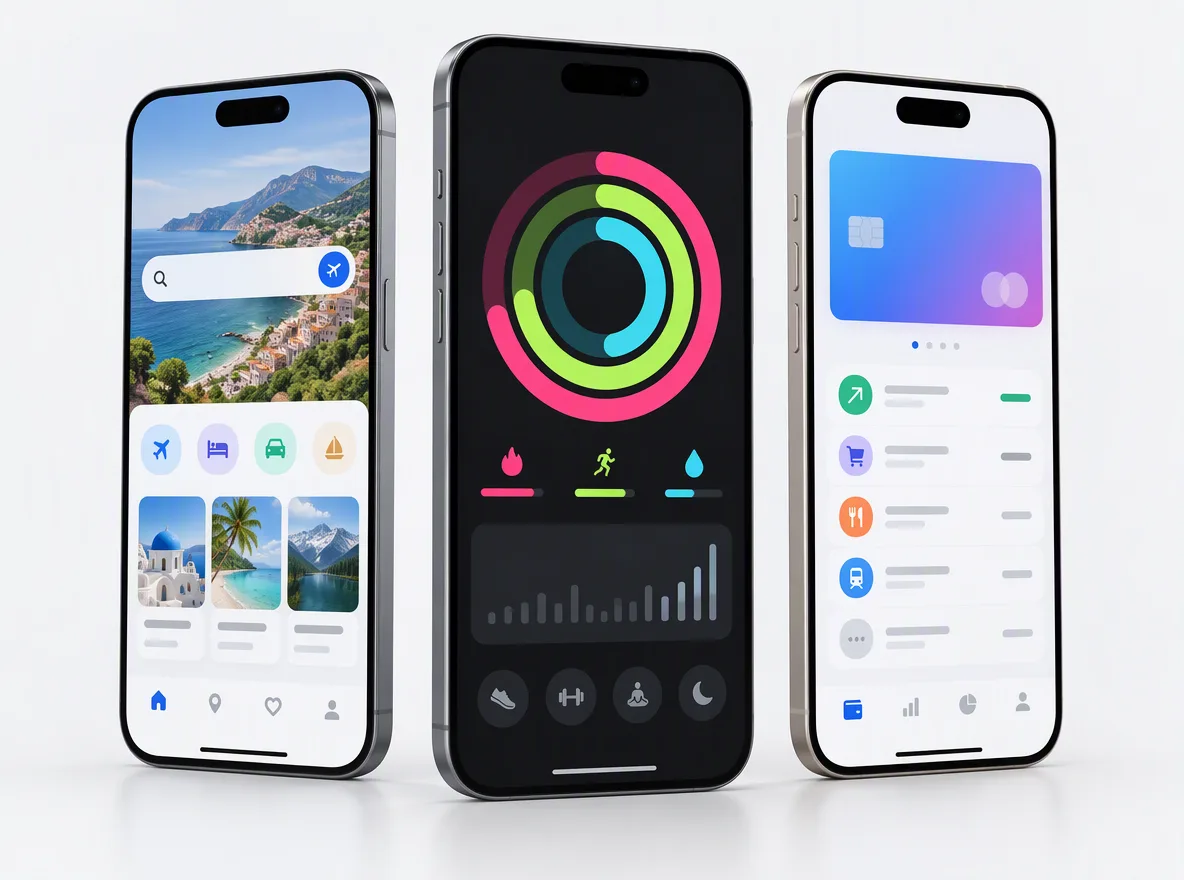
Booking, records, results, medications, messaging and reminders, on iOS, Android and the web, accessible to every patient.
FIG 01 · Healthcare App Development
Patient apps, telehealth, remote monitoring and clinician tools, built to the HIPAA Security Rule’s safeguards for US clients and prepared for NHS DTAC and DCB0129 assessment in the UK, with EHR integration through FHIR.
See how it works
FIG 02 · Quick answer
Healthcare app development is designing and building patient, clinician and telehealth apps that handle health data safely. Elgrith builds to the HIPAA Security Rule for US clients, with audit logs, access controls and encryption, and prepares UK products for NHS DTAC, DCB0129 clinical safety and DSPT, then integrates EHRs through FHIR.
FIG 03 · Why it matters
From IBM’s Cost of a Data Breach Report 2026, the HIPAA Security Rule (45 CFR 164.312) and the NHS AI and Digital Regulations Service, read in October 2026.
01
$4.99M
IBM’s 2026 report puts the global average at $4.99M, “a 12% increase over last year and a record high”. Audit logs, access control and encryption cost far less to build in than a breach costs to clean up.
Source: IBM, Cost of a Data Breach Report 2026(opens in a new tab)02
164.312(b)
The HIPAA Security Rule calls for mechanisms “that record and examine activity in information systems”. We build audit logging in from the first sprint.
Source: 45 CFR 164.312, via Cornell LII(opens in a new tab)03
DTAC
The NHS: “If you want your technology to be used in the NHS and social care, it needs to meet the standards set by the DTAC.” We prepare the technical evidence as we build.
Source: NHS AI and Digital Regulations Service, DTAC(opens in a new tab)FIG 04 · US · HIPAA
There is no HIPAA certification for apps, and no developer can make your organization compliant. HIPAA obligations sit with covered entities and their business associates. What a development team can do is build the technical safeguards the Security Rule describes and leave you clear evidence. Here is the split.
| Safeguard | What we build into the app | What your organization owns |
|---|---|---|
| Audit controls (164.312(b)) | Logs that record who viewed or changed health data, and when | Reviewing the logs and acting on what they show |
| Access control (164.312(a)) | Unique user IDs, role-based access, automatic logoff and an emergency access path | Who gets which role, and removing access when people leave |
| Encryption (addressable) | Encryption in transit and at rest by default, with keys in a managed key service | Recording the decision in your risk analysis |
| Integrity and authentication | Tamper-evident records, strong sign-in and multi-factor authentication | Your identity and password policies |
| Vendors | Hosting and services that offer business associate agreements, flagging any that don’t | Signing a BAA with each vendor that handles PHI |
| Policies and people | Technical documentation to support your risk analysis | Policies, risk analysis, workforce training and breach response |
“Addressable” doesn’t mean optional: the covered entity assesses it and documents its decision. This summarizes the Security Rule in general terms; it isn’t legal advice, and your privacy and compliance advisers decide what applies to you.
Healthcare websites, SEO and hosting? See our healthcare industry pageFIG 05 · What you get
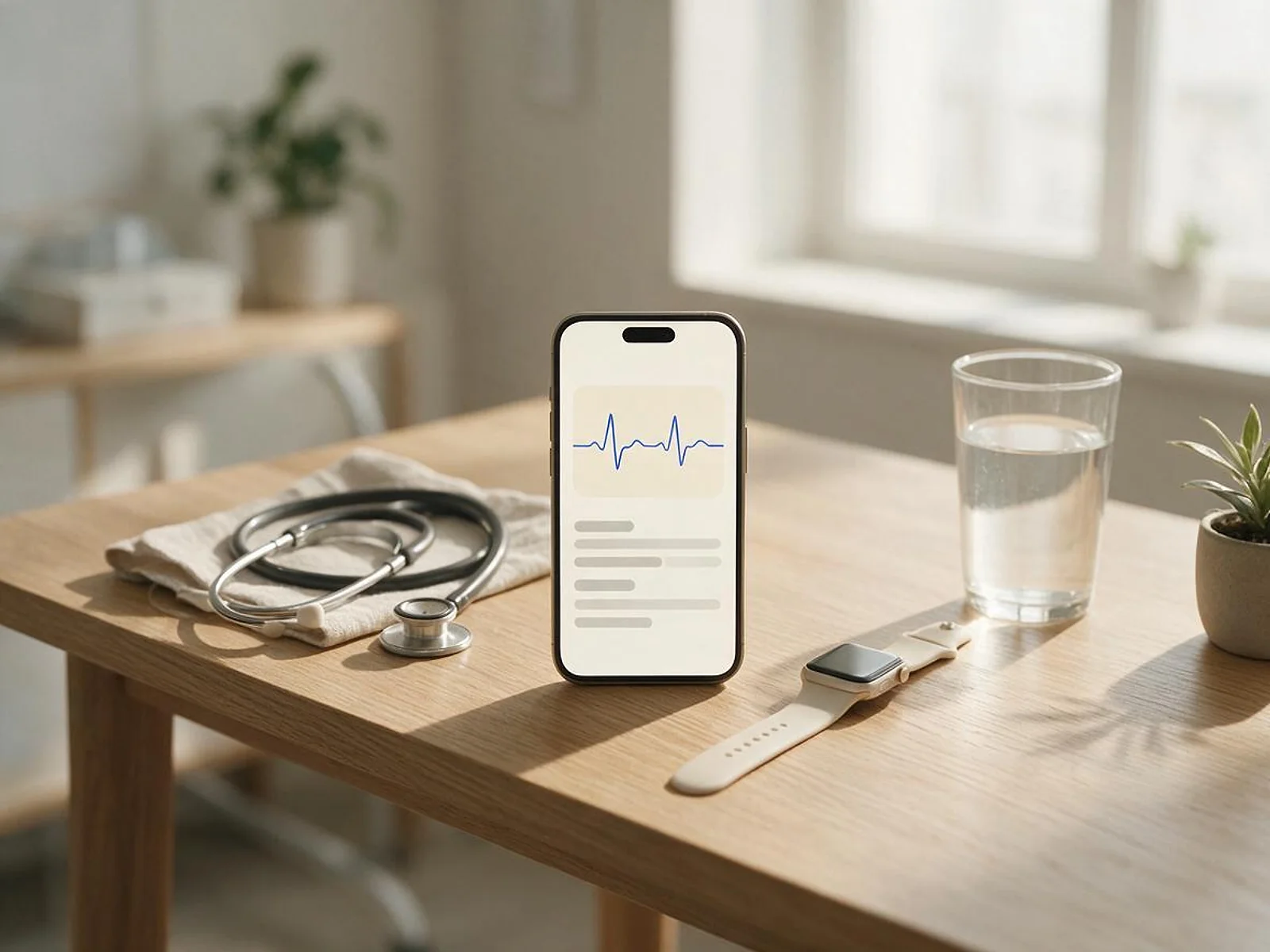
Mobile and web apps for patients, clinicians and care teams, designed around clinical workflows and built to the health-data rules in the US and the UK.
01
02
03
04
05
06
07
08
Deliverables
12
FIG 06 · Interoperability
A health app is only as useful as the records it can read and write. We build to HL7 FHIR R4 and SMART on FHIR, the standards EHRs such as Epic and Oracle Health (formerly Cerner) open to third-party apps. Access is granted by the EHR vendor and the health system, and we confirm the exact interfaces in discovery.
FIG 07 · UK · NHS
Selling into the NHS has its own pathway. We build with it in mind and prepare the technical evidence; the assessments are run by the NHS organisations buying your product. This is general guidance, not legal or regulatory advice.
06principles
The Digital Technology Assessment Criteria cover clinical safety, data protection, technical security, interoperability, and usability and accessibility. We build to them and assemble the technical evidence as we go.
The clinical risk management standard for manufacturers of health IT: a Clinical Safety Officer, a hazard log and a clinical safety case report. Your CSO owns them; we supply the design and test evidence they need.
The deploying NHS organisation’s own clinical safety standard. We give their clinical safety team what they need to assess your product.
The Data Security and Protection Toolkit is the NHS self-assessment for organisations with access to NHS patient data and systems. We build the controls it asks about; your organisation completes it.
Health data is special category data under UK GDPR. We design for data minimisation and retention rules, and give you what you need for your data protection impact assessment.
Hosting in UK regions where your NHS buyer or your own policy asks for it.
FIG 08 · Regulation
A health app can become a regulated medical device once its intended use is medical, such as diagnosing or guiding treatment. We flag this early; regulatory advice comes from specialists.
06principles
The FDA describes SaMD as “software intended to be used for one or more medical purposes” that performs them “without being part of a hardware medical device.”
In the UK, the MHRA regulates software that is a medical device. If your app may qualify, plan for it before you build the features that cross the line.
What your app claims to do, in the app and in your marketing, decides whether it is a device. We review feature lists and copy for wording that crosses the line.
Step counts and reminders are a different category from software that suggests a diagnosis or a dose. Where the line falls depends on intended use, so ask a regulatory specialist.
If you are on a device pathway, we keep requirements, risk notes and test records traceable, so your regulatory specialists have what they need.
We are engineers, not regulatory consultants. We work alongside your regulatory adviser and build to their plan.
FIG 09 · Accessibility
Patients include people with low vision, tremors, low literacy and screen readers, often on older phones. We design and test to WCAG 2.2 AA.
06principles
Contrast, focus order, labels, target sizes and error messages checked against WCAG 2.2 AA on every screen.
Layouts that survive Dynamic Type and Android font scaling without hiding buttons or clipping results.
Tested with VoiceOver and TalkBack, with charts and results described in words.
Short sentences and clear next steps, especially around results, bookings and consent.
Reduced-motion and high-contrast settings respected throughout the app.
Audits and remediation guidance for existing apps and patient portals.
Website accessibilityFIG 10 · Process · 7 steps
Every phase leaves evidence behind: the artifacts your compliance team, your Clinical Safety Officer or a DTAC assessor will ask for. You own the code, the cloud accounts and the documents.
Users, clinical workflows, data flows and the rules that may apply: HIPAA, DTAC, DCB0129, UK GDPR and device status. You get a data-flow map, a written scope and a fixed quote.
Patient and clinician journeys designed and tested for accessibility. You get prototypes, WCAG 2.2 AA checks and hazard notes for your Clinical Safety Officer.
Hosting, encryption, access model and audit logging designed before the build. You get the security architecture and a vendor list for BAAs or data processing agreements.
Weekly demos on a test environment that uses synthetic data, not real patient records. You get tested code with audit logging covered.
FHIR and EHR integrations tested against vendor sandboxes, plus security and accessibility testing. You get test reports and an issue log.
App store submission, production cut-over and monitoring. You get runbooks and an evidence pack for DTAC or your HIPAA risk analysis.
OS updates, fixes and new features, on support terms agreed in your written scope.
FIG 11 · What you get
Written into your fixed quote, so you know exactly what you are paying for before work starts.
12items
FIG 12 · Tech & tools
Proven, well-supported tools, chosen for your project and set up in accounts your business owns.
FIG 13 · Who it’s for
In the US and the UK.
3 audiences
US providers
Clinics, practices and health systems in the US that need patient apps and portals built to the HIPAA Security Rule’s safeguards and connected to their EHR.
Startups
Digital health startups that need to launch fast without building something that stalls in a health system’s security review later.
UK and NHS
UK products heading for NHS buyers, run through our London client partner with engineering in New Delhi. We build to DTAC, support your Clinical Safety Officer under DCB0129 and design for UK GDPR.
FIG 14 · Working with us from the USA and UK
Every project gets a point of contact in New York or London and an engineering team in New Delhi. Here is how today’s working days line up, live.
New York
North America
--:--ET
London
UK & Europe
--:--UK
Fixed-scope project
A written scope, one fixed price and a dated plan. Suits websites, apps and MVPs.
Dedicated team
Designers and engineers on your roadmap every month, billed monthly.
White label
For US and UK agencies: our work, your brand, unbranded deliverables.
Calls on ET or UK hours
FIG 15 · Cost and timeline
We don’t publish prices or promise timelines before discovery. These are the things that move both, for any healthcare app.
| Driver | Why it moves cost and time | How to keep it down |
|---|---|---|
| Platforms | iOS, Android, web and wearables each add build and test work | Start cross-platform, or with the platform your patients use most |
| EHR integration | Vendor access, sandboxes and approvals add steps outside your control | Start read-only with FHIR, then add write-back |
| Compliance evidence | HIPAA risk analysis support and DTAC or DCB0129 evidence take real time | Build the evidence as you go, not at the end |
| Device status | A medical device pathway adds documentation and testing | Decide intended use and claims early |
| Video, messaging and devices | Real-time features and Bluetooth devices add complexity | Use proven vendors for video and messaging |
| Accessibility and testing | Patients use older devices and assistive technology | Design to WCAG 2.2 AA from the first screen |
After discovery you get a written scope, a phased plan and a fixed quote from us.
Read our 2026 healthcare app development cost guideFIG 16 · US vs UK
The same app meets different rules on each side of the Atlantic. A summary, not legal or regulatory advice.
| United States | United Kingdom | |
|---|---|---|
| Main data rules | HIPAA Privacy and Security Rules, for covered entities and business associates | UK GDPR and the Data Protection Act 2018 |
| Selling to health organizations | Security reviews and BAAs with each vendor that handles PHI | NHS DTAC, plus DSPT for organisations with access to NHS data |
| Clinical safety | Device rules where the software is a medical device | DCB0129 for manufacturers and DCB0160 for NHS deployers |
| Medical devices | FDA, including Software as a Medical Device | MHRA |
| Who signs off | Your compliance and privacy officers | Your Clinical Safety Officer, your DPO and the NHS buyer |
| What we do | Build the safeguards and the evidence | Build to DTAC and supply evidence to your CSO |
FIG 17 · Compare
| Custom healthcare app | White-label telehealth platform | Off-the-shelf patient portal | |
|---|---|---|---|
| Fits | Your clinical workflow and brand exactly | Standard visits under your brand | Your EHR vendor’s standard features |
| Integration | Any EHR or system with an API | What the platform supports | Built into one EHR |
| Running cost | Hosting you own, plus maintenance | A subscription per provider or per visit | Usually part of your EHR contract |
| Differentiation | High | Low to medium | Low |
| Best for | New care models and digital health products | Getting a standard telehealth service live | Practices that only need the basics |
FAQ
Straight answers about Healthcare App Development with Elgrith.
It depends on the platforms, the number of user types, EHR integration, video and device features, the compliance evidence you need and whether the app is a medical device. We don’t publish prices: after a free discovery call you get a written scope and a fixed quote. Our 2026 healthcare app cost guide explains published market ranges.
FIG 18 · Related
Free 30-minute call
Tell us who the app is for and where it will be used. After a free discovery call you get a written scope, a rules summary for your advisers and a fixed quote.
Pick a day. You'll choose a time in your own time zone on the next step.