01
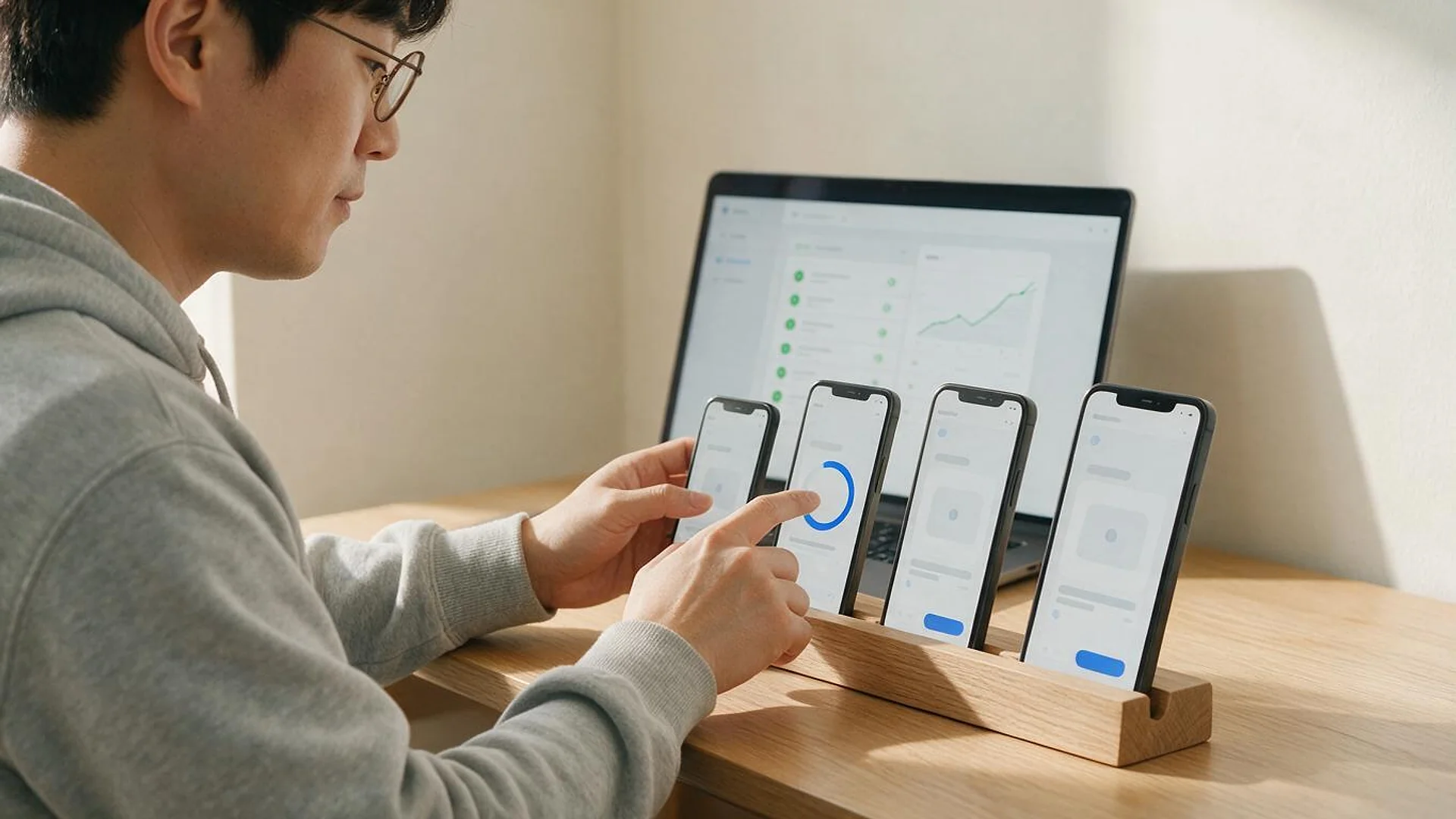
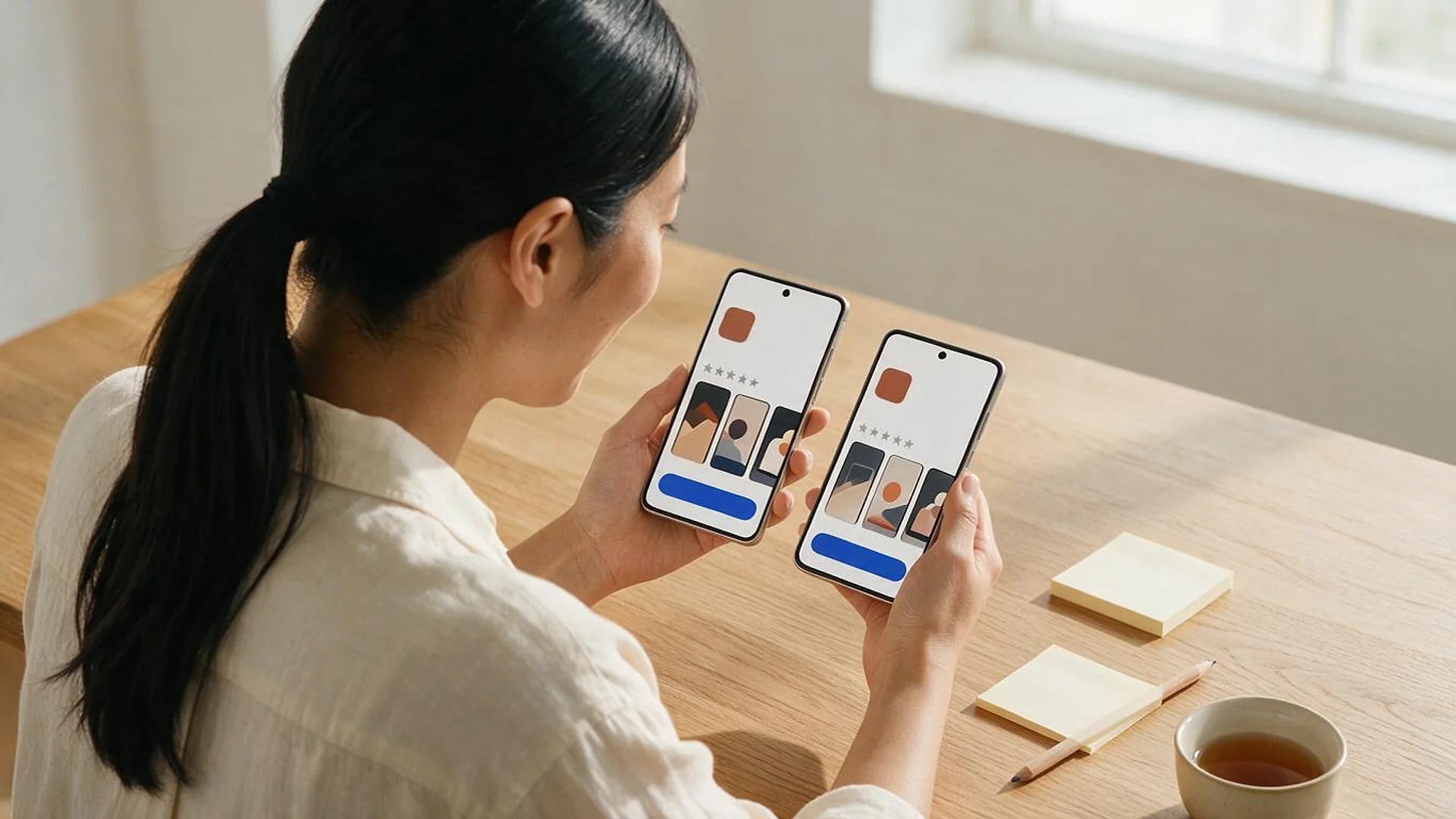
Multi-tenant back end
One API and database that keeps every brand’s users, content and settings apart.
FIG 01 · White Label App Development
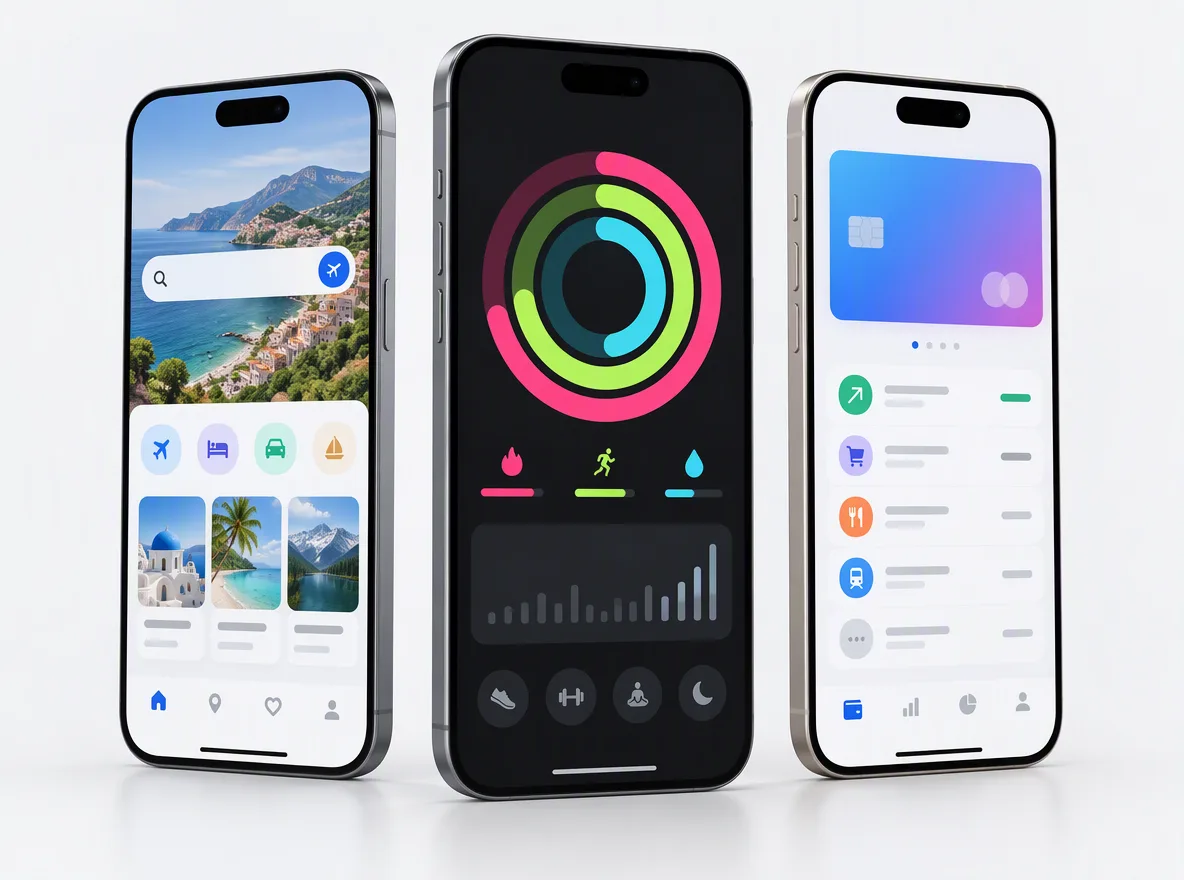
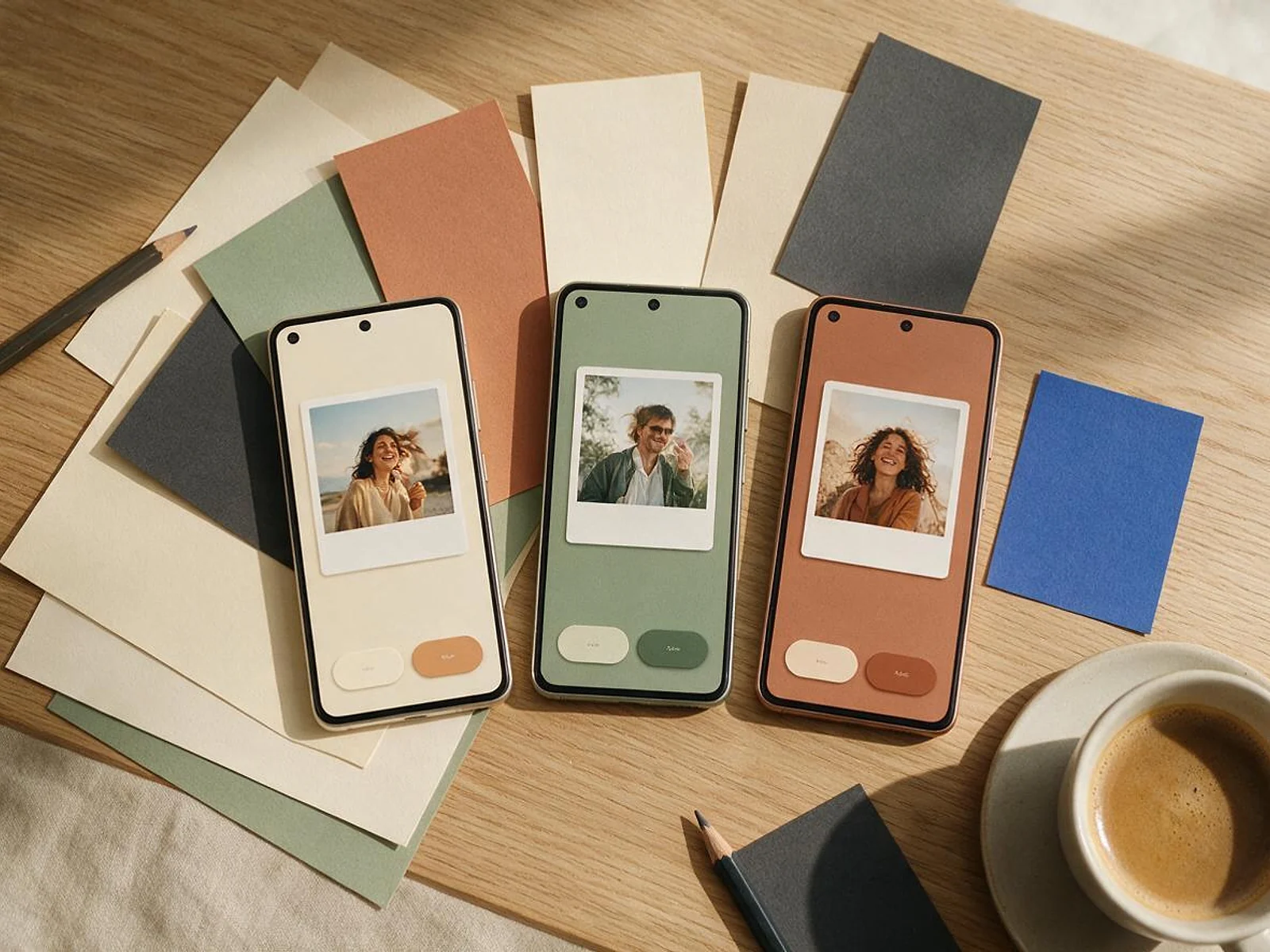
One multi-tenant app, branded per client through configuration, and published under each brand owner’s own App Store and Google Play account, with your agency’s name on the work and ours nowhere.
See how it works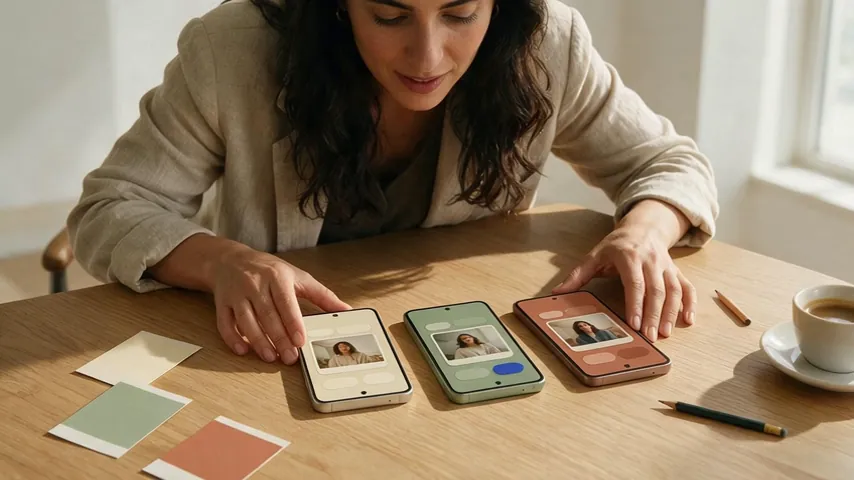
FIG 02 · Quick answer
White label app development is building one app that can be rebranded and resold under other companies’ names. Elgrith builds white label mobile apps on a multi-tenant codebase with per-client branding, then publishes each under the brand owner’s own App Store and Google Play account, as Apple’s guideline 4.2.6 expects, or as one multi-brand picker app.
FIG 03 · Why it matters
From Apple’s App Review Guidelines (updated 16 Oct 2026) and Apple and Google account pages, read on 23 Oct 2026.
01
4.2.6
Apple says apps made from a commercialised template or app generation service will be rejected unless the provider of the app’s content submits them.
Source: Apple, App Review Guidelines (updated 16 Oct 2026, read 23 Oct 2026)(opens in a new tab)02
4.3(a)
Apple’s spam rule says not to create multiple Bundle IDs of the same app. Google Play’s Spam policy also targets multiple apps with highly similar functionality.
Source: Google Play, Spam policy (read 23 Oct 2026)(opens in a new tab)03
D-U-N-S
Apple’s organisation enrolment needs a D-U-N-S Number, and Google has required one for new organisation Play Console accounts since 31 Aug 2023.
Source: Apple, Enrolling as an organization (read 23 Oct 2026)(opens in a new tab)FIG 04 · Rules
Apple’s guideline 4.2.6 leaves two ways to ship a white label app: one app per brand, submitted from each brand’s own account, or one “picker” app that holds every brand. Here is how they compare with the model Apple rejects.
| Per-brand app (brand’s own account) | One multi-brand picker app | Template app under the provider’s account | |
|---|---|---|---|
| Who submits | Each brand owner, from its own Apple and Google accounts | You, once, from your own account | The template provider, for each client |
| Seller name shown | The brand owner’s organisation | Yours | The provider’s |
| Apple 4.2.6 | The model Apple expects | Named by Apple as an acceptable option | Apple says these will be rejected |
| Spam rules (Apple 4.3, Play Spam policy) | Each app should stand on its own content and features | One app, so no duplicate-app risk | Near-identical apps risk rejection or removal |
| Best for | Brands that need their own name, listing and accounts | Franchises, venues, events and directories | We don’t build this model |
Quotes from Apple’s App Review Guidelines 4.2.6, 4.3(a) and 5.2.1 (updated 16 Oct 2026) and Google Play’s Spam policy, read 23 Oct 2026. Apple and Google decide every review; nobody can promise approval. General guidance from public sources, not legal advice; your counsel confirms what applies to you.
How apps get built, step by step: mobile app development processFIG 05 · What you get
Everything it takes to run one app for many brands: the shared code, the per-brand builds and the store work, under your name.
01
02
03
04
05
06
07
08
Deliverables
10
FIG 06 · Definition
A white label app is one app built so that other companies can put their own name, colours and content on it. The term covers two different deals.
03principles
We build the app; your agency sells and supports it under your brand. Your client sees only you.
One product run for many brands, locations or franchisees, each with its own branded app or a place in one picker app.
White label shares one codebase across brands; custom builds one app for one owner. Many start white label and add custom features per brand.
FIG 07 · Technically
The engineering that lets one codebase become many apps without becoming many codebases.
05principles
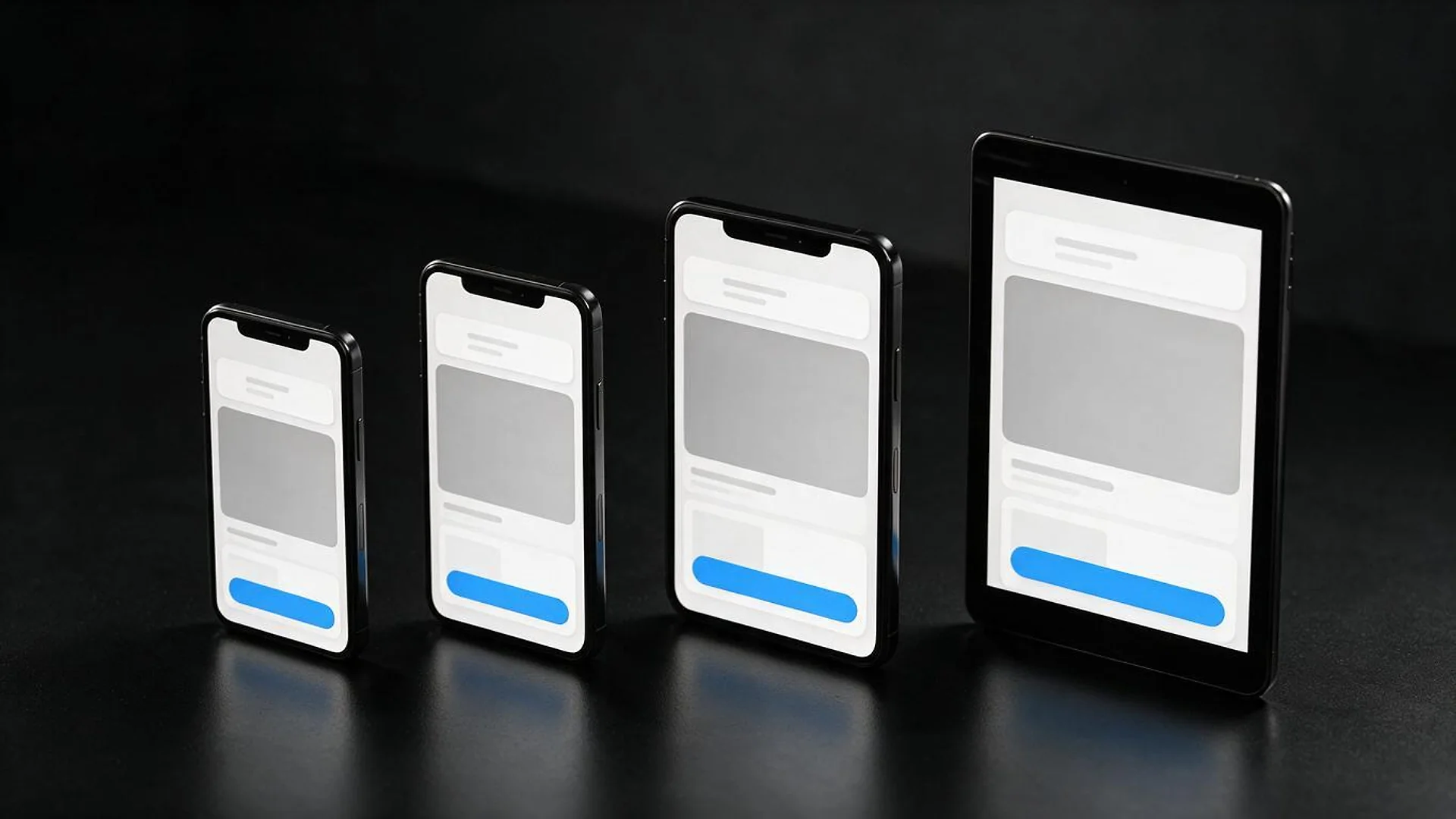
Brand settings, feature flags and content live in the back end and in build-time config, not in forked code.
Each brand gets its own application ID, icons, resources and signing config from the same source.
Separate bundle IDs, assets and entitlements per brand, built from one project.
FIG 08 · Ownership
Accounts and code ownership decide whether a white label deal survives a change of agency. We settle both in writing before the first build.
04principles
Each brand owner enrols as a legal entity with a D-U-N-S Number. Apple doesn’t accept DBAs or trade names, shows the organisation as the seller and charges 99 USD per membership year.
New organisation Play Console accounts have needed a D-U-N-S Number since 31 Aug 2023. Google says getting one can take up to 30 days, so we start early.
Shared code is licensed to you; brand-specific work can be assigned. Escrow can be agreed in your written scope.
A mutual NDA before any detail is shared, covering your clients, your pricing and your roadmap.
FIG 09 · Agencies
Sell apps as your own work. We stay behind your brand, inside your process.
04principles
No footer credits, splash screens or metadata naming us in any app, listing or file.
You own the client relationship. We work in your tools and join calls under your agency’s name if you want.
FIG 10 · Upkeep
Every iOS release, Android target level and store policy change lands on every brand at once. We plan for that from the start.
03principles
Changes are made once in the shared code, tested per brand and released through each brand’s account.
New requirements, such as Apple’s iPhone Duo screenshots from April 2027, are planned across every brand’s listing.
OS updates, SDK upgrades and monitoring under terms agreed in your written scope.
Mobile app maintenanceFIG 11 · Process · 6 steps
A fixed written quote after a free call, then sprints with weekly demos. You own the code and IP as agreed in writing, and each app ships under the brand owner’s developer account.
Brands, features, platforms and the publishing model: per-brand apps or one picker app.
A written scope and a fixed quote, plus the code licence or assignment terms, before any work starts.
The shared app, multi-tenant back end and theming layer, in sprints with a demo every week.
The first branded app through testing and submission from its owner’s account, to prove the pipeline.
Further brands added through configuration and the automated release pipeline.
OS, SDK and store policy updates across every brand under terms agreed in your written scope.
FIG 12 · What you get
Written into your fixed quote, so you know exactly what you are paying for before work starts.
10items
FIG 13 · Tech & tools
Proven, well-supported tools, chosen for your project and set up in accounts your business owns.
FIG 14 · Who it’s for
One codebase, many brands, each published the way the stores expect.
3 audiences
Agencies
We build and maintain the app under NDA; you sell, brand and support it. Each client’s app ships from the client’s own developer account.
Brands
A picker app with a page per location, or per-brand apps where franchisees need their own listing.
UK
Through our London client-partnership centre, with delivery from our New Delhi HQ, under your agency’s brand.
FIG 15 · Working with us from the USA and UK
Every project gets a point of contact in New York or London and an engineering team in New Delhi. Here is how today’s working days line up, live.
New York
North America
--:--ET
London
UK & Europe
--:--UK
Fixed-scope project
A written scope, one fixed price and a dated plan. Suits websites, apps and MVPs.
Dedicated team
Designers and engineers on your roadmap every month, billed monthly.
White label
For US and UK agencies: our work, your brand, unbranded deliverables.
Calls on ET or UK hours
FIG 16 · Rules and dates
The store rules a white label app depends on, checked on 23 Oct 2026 at Apple’s and Google’s own pages.
| Date | Store | Rule | What it means |
|---|---|---|---|
| 31 Aug 2023 | Google Play | D-U-N-S Number required for new organisation accounts | Each brand owner gets one before its account is opened |
| Sep 2026 | App Store | Age rating answers on social media capabilities required | Answered for every brand’s app at its next update |
| 16 Oct 2026 | App Store | App Review Guidelines updated; 4.2.6 and 4.3 apply | Per-brand submission from the owner’s account, or one picker app |
| Current | App Store | Organisation enrolment: D-U-N-S, no DBAs, 99 USD a year | The brand owner’s legal name shows as seller |
| Current | Google Play | Spam policy: no multiple apps with highly similar content | Each brand’s app needs its own content and purpose |
| April 2027 | App Store | iPhone Duo screenshots required (iOS 27.1 SDK or later) | New screenshot sets for every brand |
Sources: Android Developers Blog (12 Jul 2023), Apple Developer news (9 Jul 2026, 5 Oct 2026, 16 Oct 2026), Apple enrolment page, Google Play Spam policy. General guidance from public sources, not legal advice; your counsel confirms what applies to you.
FIG 17 · Cost
We don’t publish prices. These are the things that move the cost of a white label app.
| Driver | Lower cost | Higher cost |
|---|---|---|
| Brands | A few brands, same features | Many brands with features switched per brand |
| Publishing model | One picker app | A separate app and listing per brand |
| Platforms | One cross-platform codebase | Separate native iOS and Android apps |
| Back end | Shared content and users | Per-brand data, payments and integrations |
| Upkeep | Updates shipped together | Per-brand schedules and custom work |
After a free call you get a written scope and a fixed quote, plus the licence or assignment terms for the code.
FIG 18 · Compare
| White label (multi-tenant) | Custom app | |
|---|---|---|
| Codebase | One, shared by every brand | One per app |
| Adding a brand | Configuration, assets and a store listing | A new build |
| Uniqueness | Shared features, branded per client | Built around one owner’s needs |
| Code ownership | Shared code licensed; brand work can be assigned | Assigned to the owner |
| Best for | Agencies and multi-brand products | One company with one product |
FAQ
Straight answers about White Label App Development with Elgrith.
A white label app is one app built so other companies can sell or use it under their own name, colours and content. It usually means either an agency reselling apps a partner builds, or one product run for many brands or locations from a shared codebase.
FIG 19 · Related
Free 30-minute call
Tell us about your brands or your agency’s clients, and the app they need. After a free call you get a written scope, a fixed quote and the code terms in writing.
Pick a day. You'll choose a time in your own time zone on the next step.